

Screen Printing vs Foil Stamping: Choosing the Ultimate Finish for Your Brand
In the world of high-end print production, the difference between a project that is merely “good” and one that is truly “extraordinary” often comes down to the choice of finishing techniques. At DATAGRAPHIC, we believe that print is a sensory experience. It is something to be felt, tilted in the light, and admired for its craftsmanship. When designers and brand managers are looking to elevate their physical touchpoints—be it luxury business cards, bespoke influencer kits, or fine stationery—two heavyweights of the industry frequently come to the forefront: Screen Printing and Foil Stamping.
The debate of Screen Printing vs Foil Stamping is not about which process is objectively “better,” but rather which process best serves the specific goals of your design, the nature of your substrate, and the story your brand is trying to tell. From our state-of-the-art facility on Long Island, DATAGRAPHIC has spent nearly a century mastering these techniques.
So, let us break down the mechanics of both processes, explore their unique advantages, and explain why having both of these capabilities—and many others—under one roof provides an unmatched advantage for our clients.
What is Screen Printing?
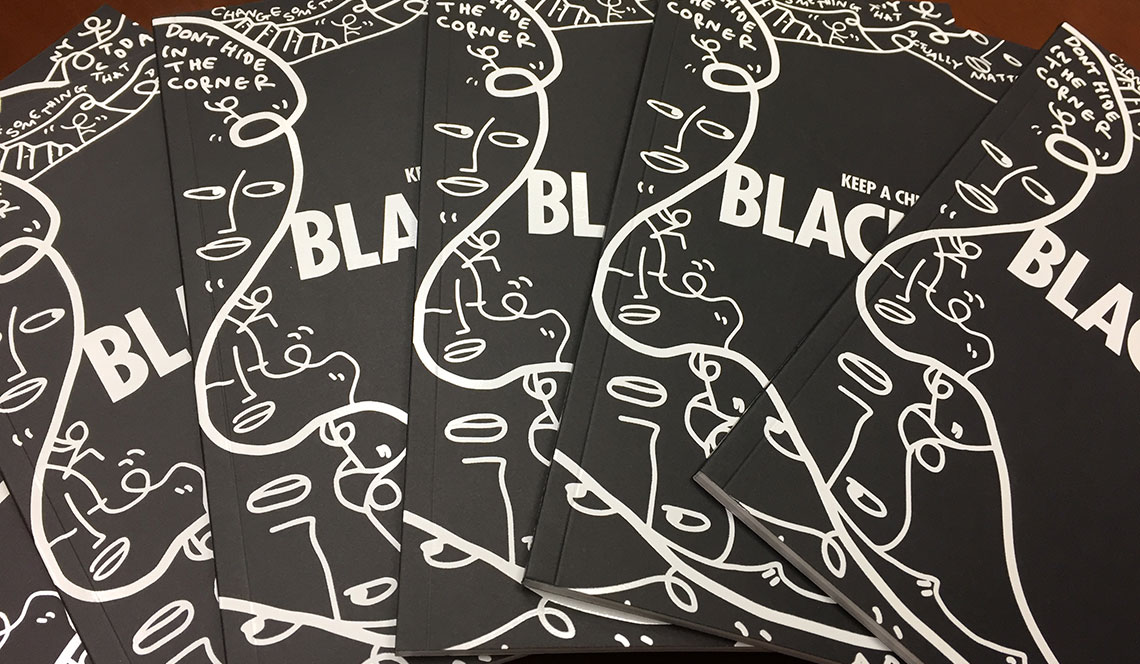
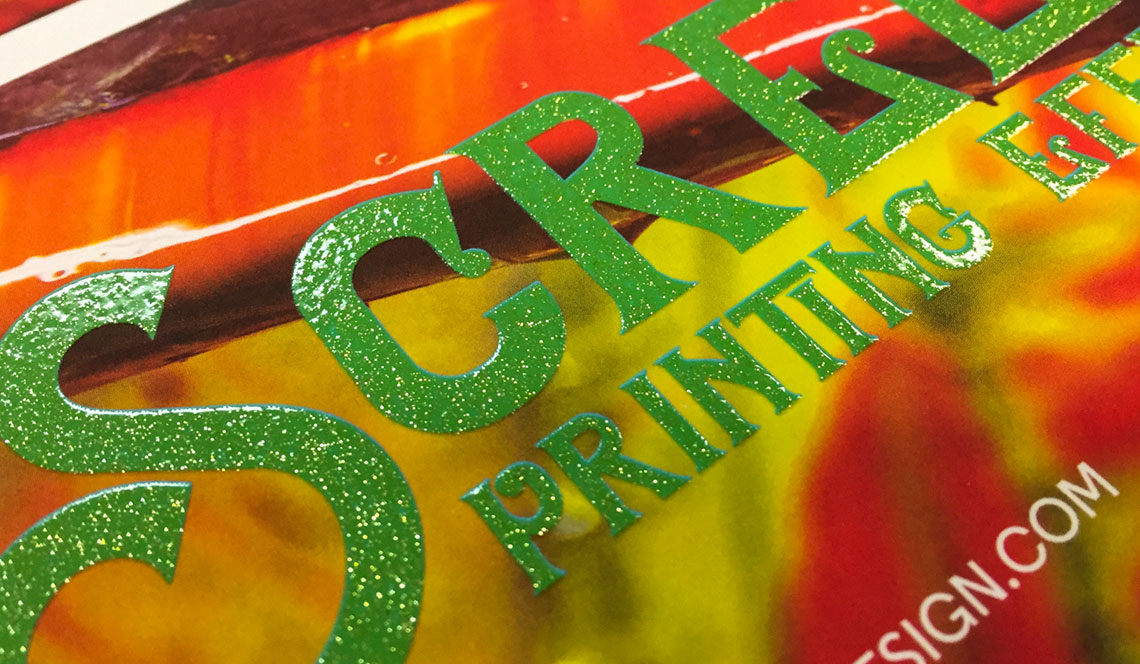
Often referred to as “serigraphy” in the world of fine art, Screen Printing is a technique that involves pushing ink through a stenciled mesh screen onto a substrate. Unlike digital or offset printing, which apply thin layers of ink, screen printing allows for a thick, tactile deposit of pigment.
The Process
A screen is created by stretching a fine mesh over a frame. A stencil (or emulsion) is applied to the mesh, blocking out the areas where ink should not pass. A squeegee is then used to pull ink across the screen, forcing it through the open pores of the mesh onto the paper or material below.
Why Designers Love It
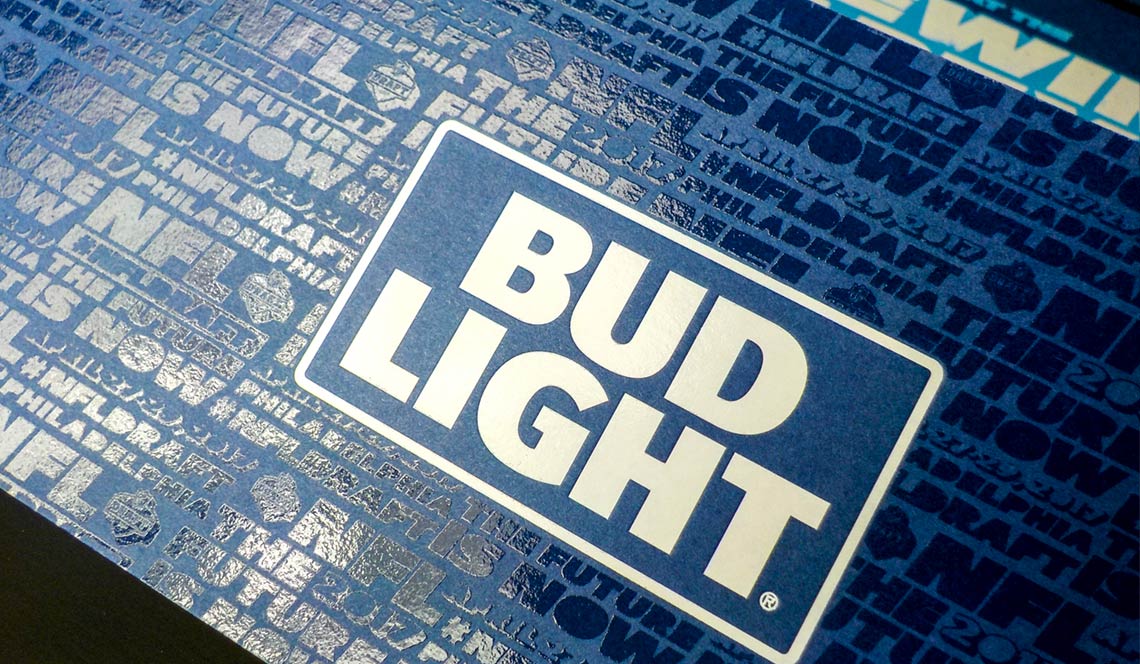
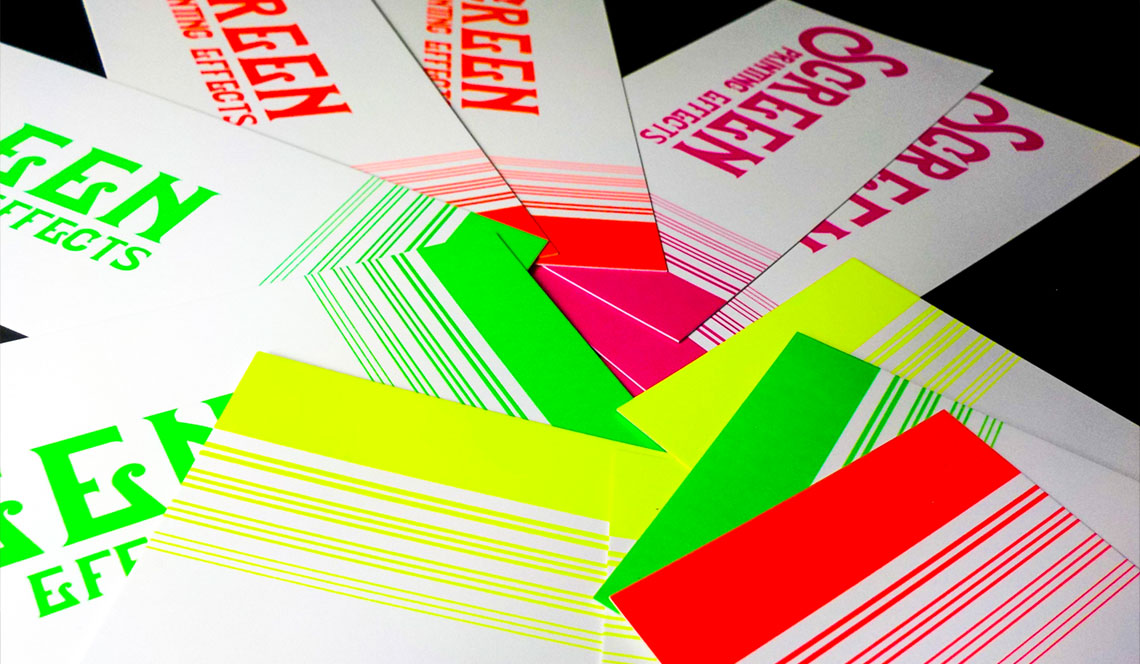
The primary superpower of screen printing is opacity. Because the ink layer is so thick, it can achieve vibrant, solid colors on incredibly dark or textured papers. If you are looking to print a bright white or a vivid neon on a deep black cardstock, screen printing is the undisputed champion. It offers a level of color saturation that other processes simply cannot replicate.
Screen Printing Examples
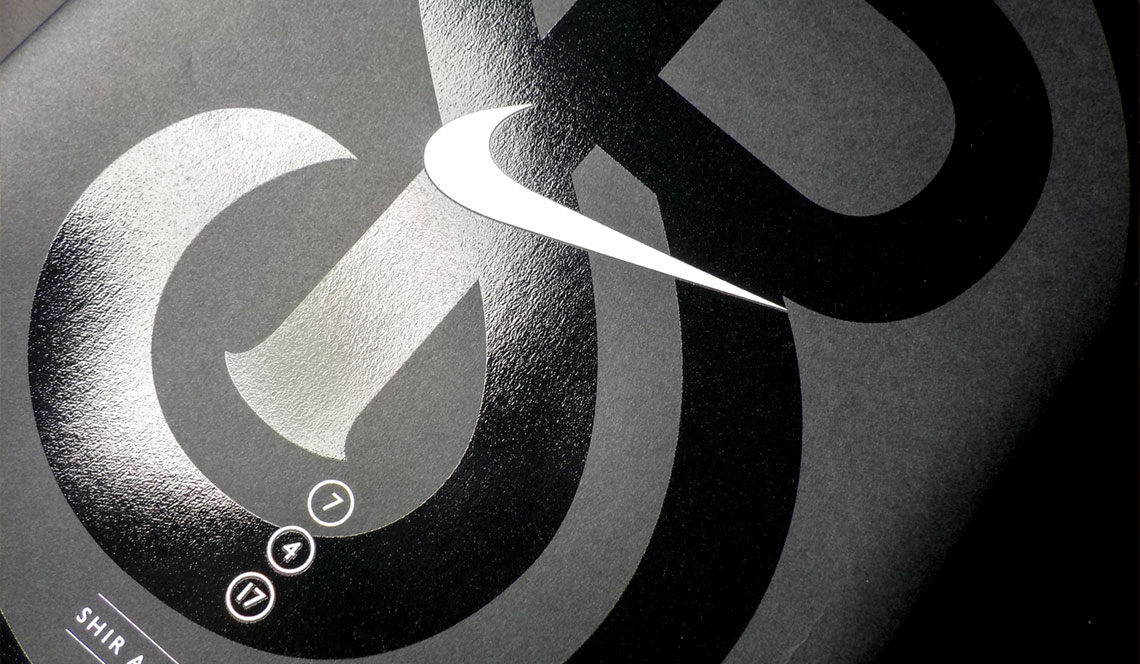
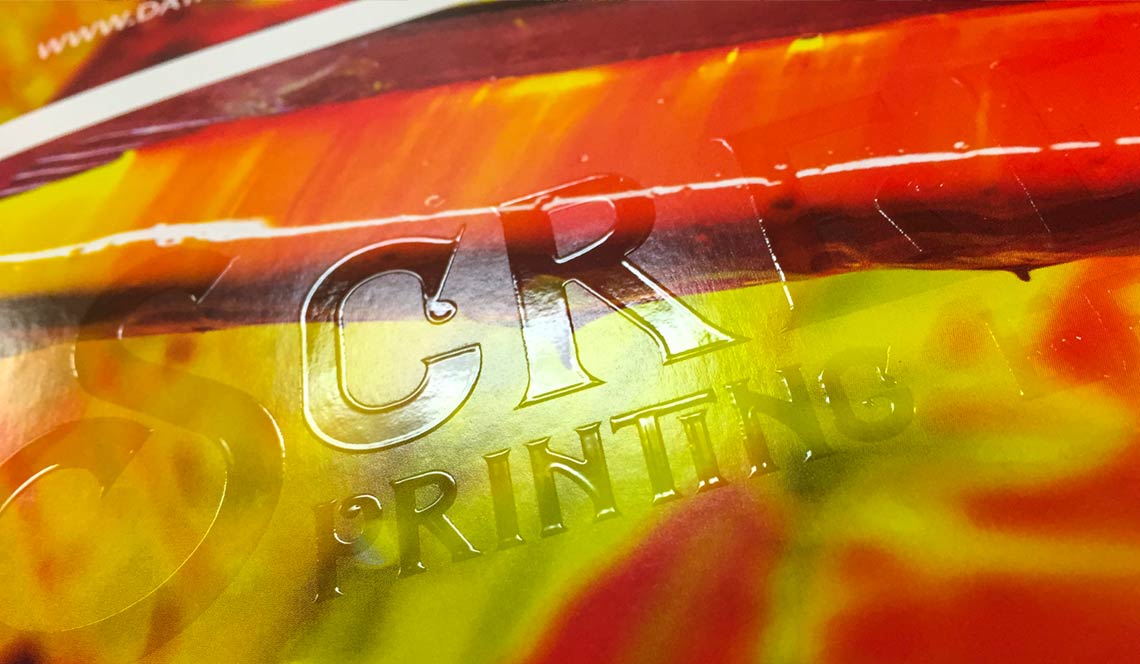
See more Screen Printing examples.
What is Foil Stamping?
Foil Stamping is a specialized printing process that uses heat, pressure, and a metal die to transfer a thin layer of foil onto a surface. It is a dry printing process, meaning no liquid inks are involved in the transfer of the foil itself.
The Process
A custom metal die (usually made of brass or copper) is created with your design. This die is heated and pressed against a roll of foil and the substrate. The heat activates the adhesive on the back of the foil, while the pressure “stamps” the design into the paper.
The Aesthetic Appeal
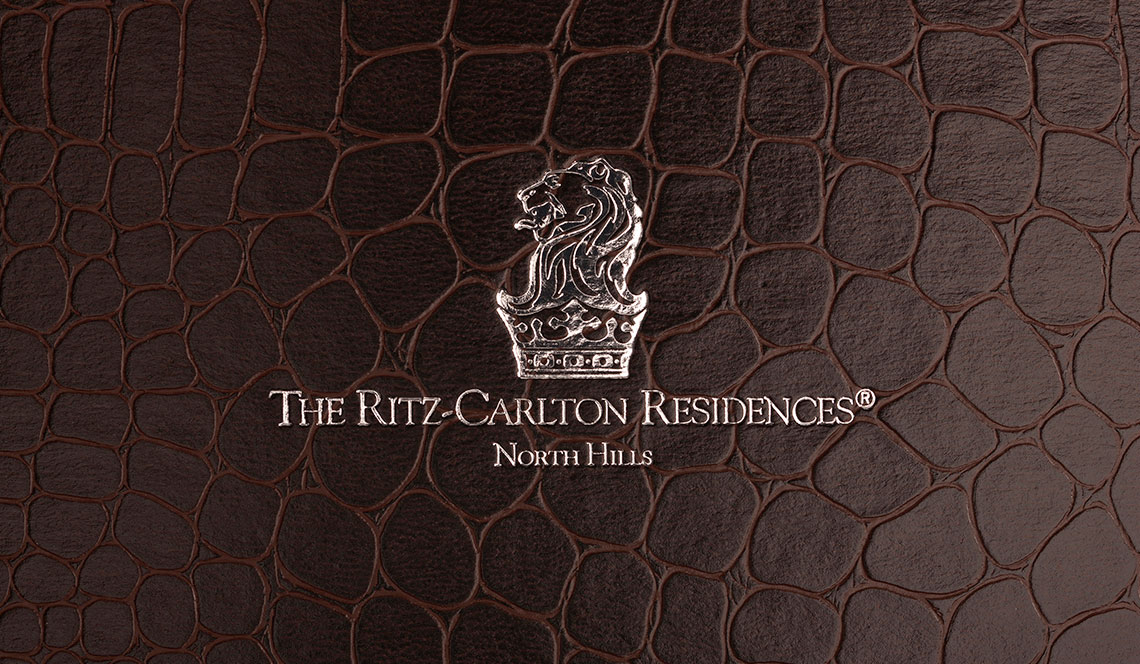
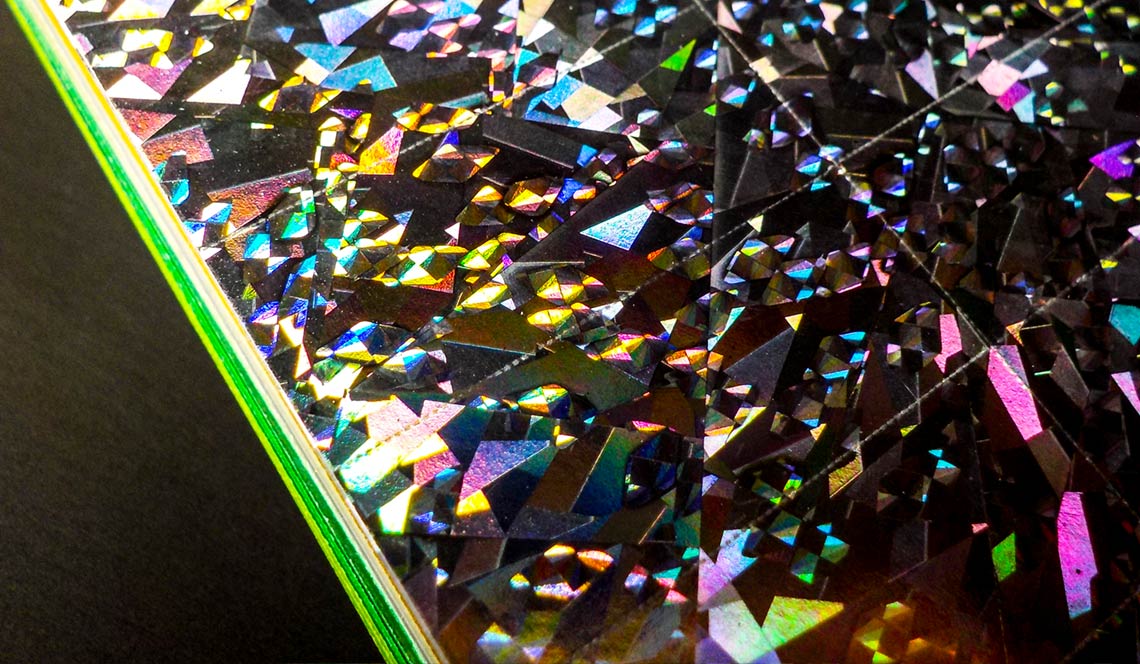
Foil stamping is synonymous with luxury. It allows for effects that ink simply cannot achieve—most notably, a true metallic luster. Whether it is a brilliant gold, a subtle matte silver, or a striking holographic finish, foil provides a reflective quality that commands attention. Beyond the visual, foil stamping often leaves a slight “deboss” or indentation in the paper, adding a three-dimensional tactile element to the piece.
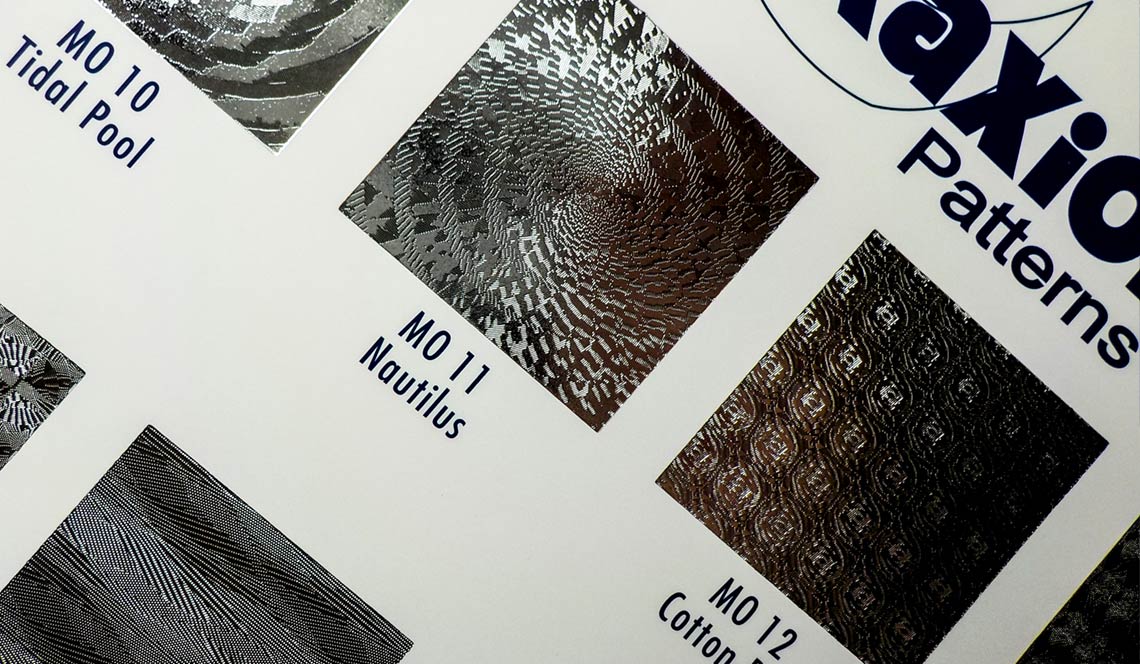
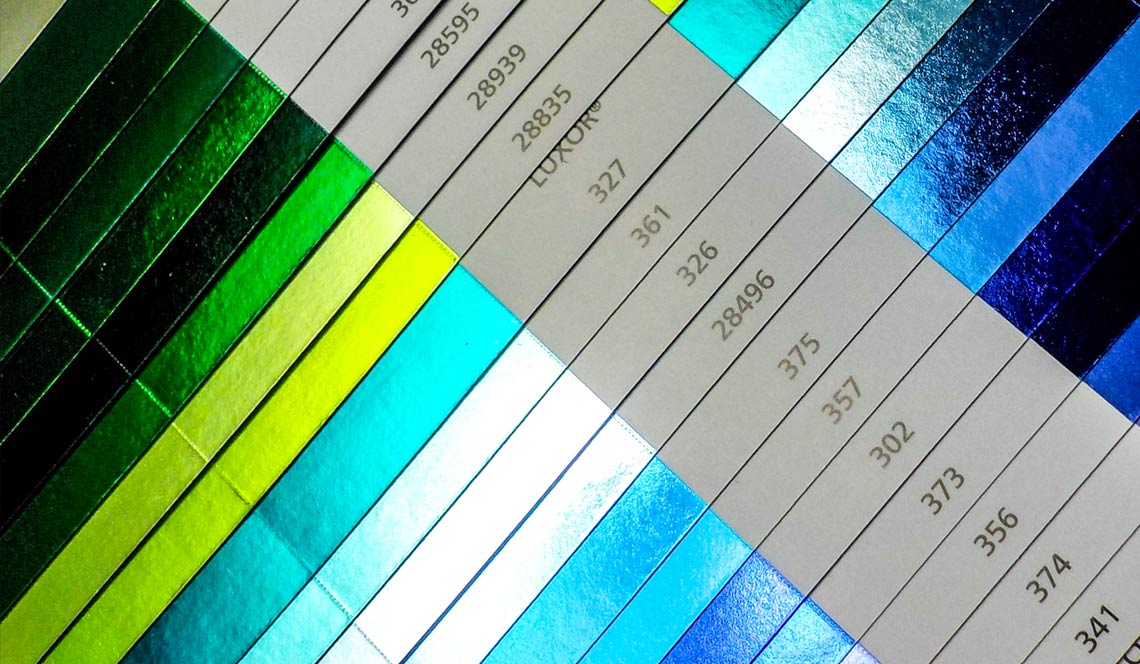
Foil Stamping Examples
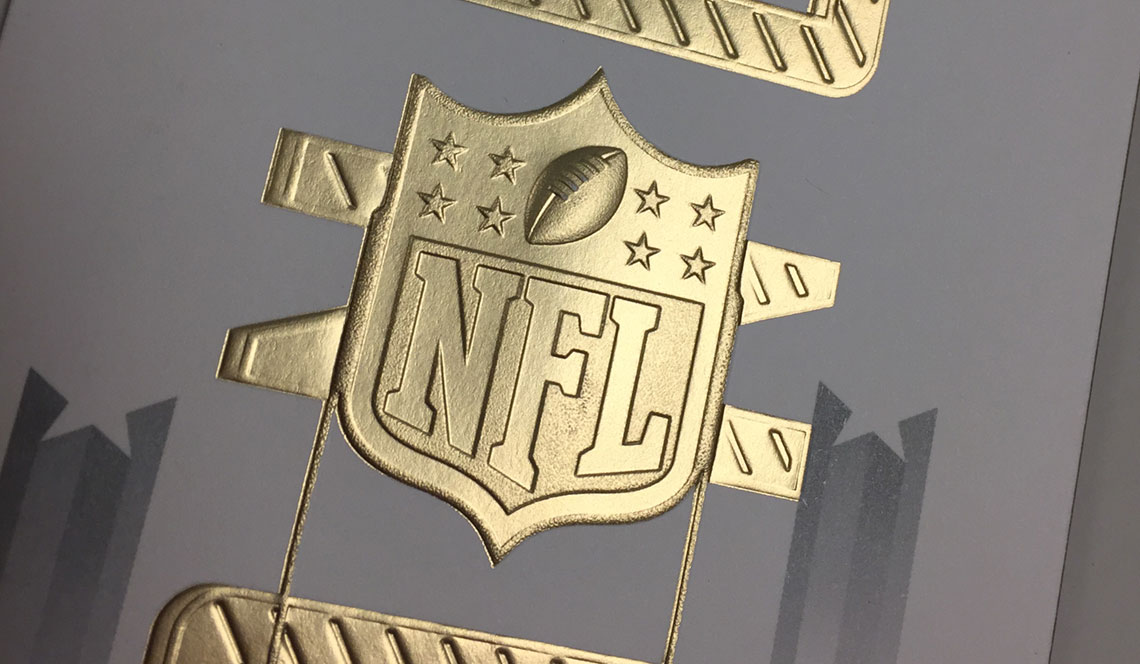
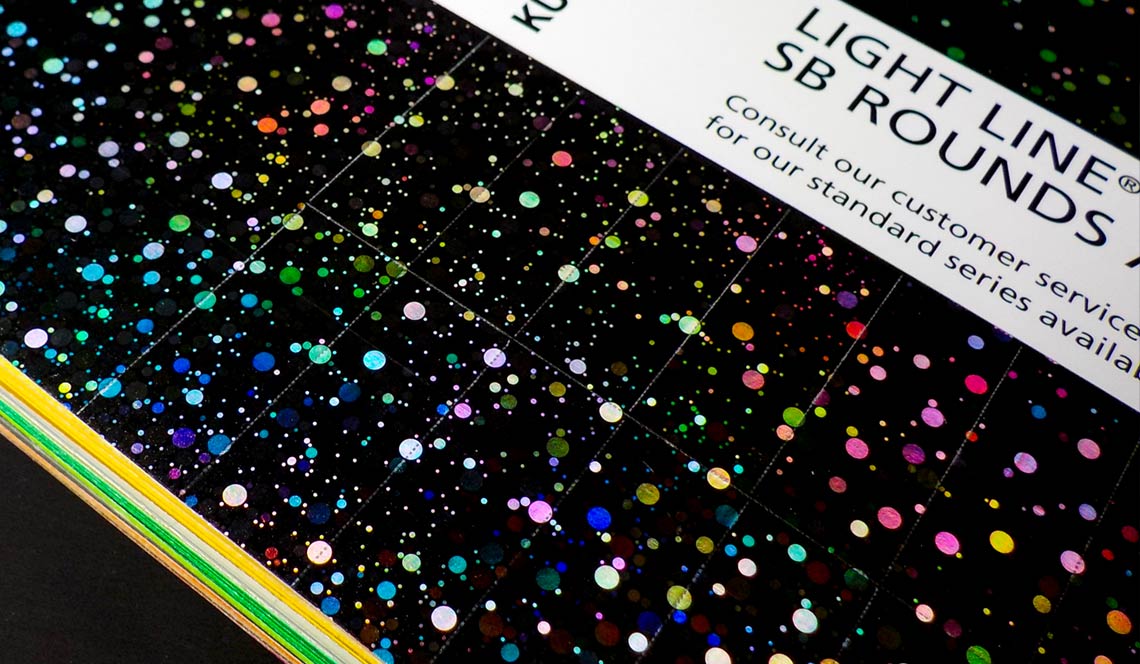
See more Foil Stamping examples.
Screen Printing vs Foil Stamping: The Key Differences
When deciding between these two techniques for your next project, consider the following strategic factors:
1. Color and Luster
- Screen Printing: Best for matching specific Pantone (PMS) colors with perfect accuracy and opacity. It excels at “flat” color. While metallic screen inks exist, they lack the mirror-like reflectivity of foil.
- Foil Stamping: Best for achieving high-shine, reflective, or holographic effects. Foil also comes in “pigment” varieties (non-metallic), which offer a unique, plastic-like opacity that is different from screen ink.
2. Texture and “The Bite”
- Screen Printing: The texture is additive. You can feel the ink sitting on top of the paper. This is especially true with specialty “raised” screen printing.
- Foil Stamping: The texture is transformative. Because of the pressure involved, the foil is often slightly pressed into the paper. This creates a “bite” that signifies high-end craftsmanship, similar to the feel of engraving or letterpress.
3. Substrate Versatility
- Screen Printing: Highly versatile. Because it is a relatively low-pressure process, it can be used on everything from delicate vellum to heavy-duty plastics, wood, or even fabric.
- Foil Stamping: Requires a substrate that can withstand heat and pressure. It works beautifully on premium papers like those used in our hotel stationery projects, but very thin or heat-sensitive materials may require expert handling.
4. Fine Detail
- Foil Stamping: Capable of incredible precision. Fine lines and intricate logos often hold their integrity better in foil, provided the die is crafted correctly.
- Screen Printing: While capable of detail, the “mesh” of the screen can sometimes limit the thickness of the finest lines, especially on highly absorbent papers.
Screen Printing vs Foil Stamping: What’s the Right Process for Your Project?
When to choose Screen Printing:
- You are printing a light color on dark paper (e.g., White ink on Navy stock).
- You need a specific PMS color match for brand consistency.
- You want a matte, “painterly” feel to your graphics.
- You are producing custom packaging where bold, solid blocks of color are the hero.
When to choose Foil Stamping:
- You want to communicate luxury, prestige, or “premiumness.”
- You need a metallic finish (Gold, Silver, Rose Gold, Copper).
- You want the recipient to feel the “depth” of the design through a slight deboss.
- You are creating a seeding kit where the branding needs to “pop” against a matte background.
DATAGRAPHIC’s Creative Advantage: Having it all “Under One Roof”
In an industry where many printers outsource their finishing to third-party “trade shops,” DATAGRAPHIC is an anomaly. In our Long Island facility, we offer over 10 different printing and finishing capabilities under one roof. This isn’t just a matter of convenience; it is a fundamental benefit to our customers.
Unmatched Quality Control
When your project moves from the offset press to the foil stamping area and finally to the die-cutting station, it never leaves the hands of our master craftspeople. This ensures that the registration remains perfect and the color stays consistent. We maintain a microscopic attention to detail that is simply impossible to achieve when shipping a project between multiple vendors.
The Art of the Combination
One of our greatest passions at DATAGRAPHIC is combining print processes to achieve entirely new effects. Why choose between Screen Printing vs Foil Stamping when you can have both?
Imagine a luxury invitation where a matte white screen-printed pattern serves as a background for a brilliant gold foil-stamped logo. Or consider a Daniel Arsham-inspired project where clear spot UV is layered over screen-printed textures to create a “wet” look. By having all these tools at our disposal, we can push the boundaries of what is possible on paper.
Material Sourcing and Technical Expertise
With a history spanning nearly 100 years, we have developed deep relationships with the world’s finest paper mills. We don’t just “print on paper”; we source the most appropriate materials to ensure that the process and the substrate work in harmony. Whether it’s finding a carbon-neutral paper that takes foil beautifully or a textured stock that won’t “feather” your screen ink, our expertise ensures the highest quality results.
Elevate Your Brand with DATAGRAPHIC
Whether you are leaning toward bold and opaque or prestige and shimmer (aka: Screen Printing vs Foil Stamping), the team at DATAGRAPHIC is here to guide you. We are more than just a printer; we are partners in the creative process, dedicated to achieving the highest quality results for every client.
Ready to see the difference that a century of experience and 10+ in-house services can make? Reach out today to work with us your next project. Let’s create something extraordinary together!